Dedicated Senior Memory Care Solutions
Specialized elderly cognitive support services serve a critical function in supporting individuals facing memory challenges. These services provide customized treatment approaches and structured environments that enhance emotional well-being. Qualified caregivers deliver empathetic care, building relationships and participation. As families look for the best options for their family members, understanding the advantages and characteristics of these services becomes crucial. The process of finding the right fit can lead to transformative experiences for both seniors and their families.
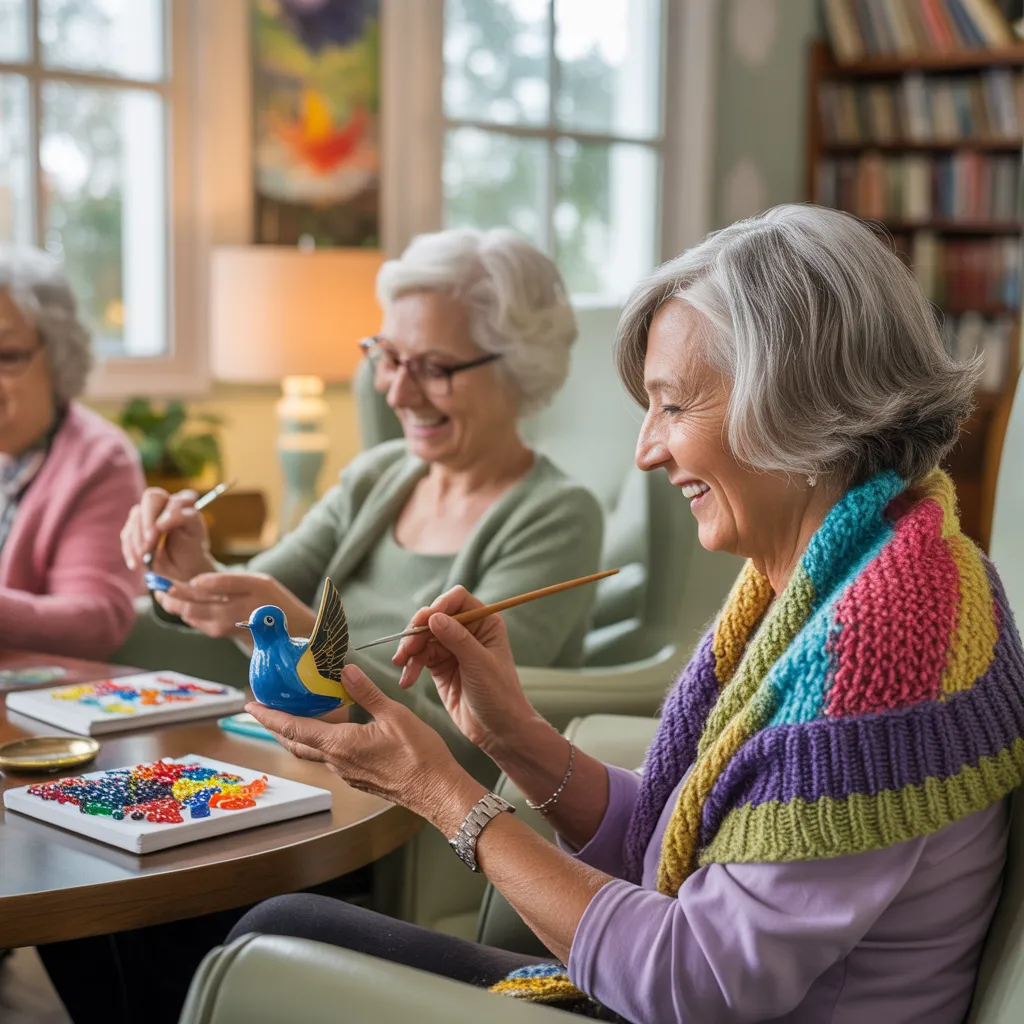
Tackling Forgetfulness: Learning About Memory Care
Addressing memory loss necessitates a complex understanding of memory care, as it covers assorted strategies tailored to distinct preferences. Memory care concentrates in supporting seniors with cognitive impairments, such as Alzheimer's disease or other categories of dementia. This specialized approach aims to create a safe and structured locale that promotes self-determination while safeguarding the well-being of residents.
Effective memory care frameworks often include personalized care plans, dynamic activities, and therapeutic techniques designed to improve cognitive function. Support staff undertake specialized training to understand the complexities of memory loss and to communicate competently with service users. Additionally, fostering social connections and emotional support is essential in enhancing quality of life for those experiencing. All things considered, apprehending memory care involves spotting the diverse challenges faced by subjects with memory loss and the importance of personalized strategies to resolve those challenges effectively.
Essential Components of Effective Memory Care Programs
Effective memory care programs incorporate various critical elements that enhance the quality of life for mature adults. Personalized care plans are indispensable, as they respond to individual needs and preferences. Additionally, an varied recreation schedule and qualified staff competency play significant roles in promoting a compassionate environment for people.
Tailored Care Plans
Personalized care plans act as the cornerstone of effective memory care programs, adapting support to the unique needs and preferences of every individual. These plans are formulated through thorough assessments, which assess cognitive function, medical history, and personal interests. This individualized approach assures that caregivers can provide relevant and meaningful support, enhancing the quality of life for residents. Regular reviews of these care plans permit adjustments based on the individual's evolving needs and progress. Additionally, involving family members in the planning process builds collaborative relationships and promotes a holistic understanding of the resident's background and preferences. Ultimately, personalized care plans are vital in addressing the complexities of memory care, guaranteeing that each resident receives compassionate and effective assistance.
Engaging Activities Timetable
A thoughtfully designed schedule of activities is necessary in supporting mental stimulation and social connection within memory care settings. Such a schedule commonly includes a broad range of activities customized to the abilities and interests of residents. Options may include from music and art sessions to group conversations and memory exercises. Scheduled exercise programs, like light exercise or nature walks, can also support general wellness. Furthermore, adding sensory experiences, such as cooking or horticulture, can spark positive recollections and encourage engagement. By emphasizing both individual programs and shared activities, these initiatives not only foster cognitive activity but also strengthen bonds among individuals. Finally, a thoroughly planned program of activities
Qualified Workforce Specialization
Trained staff play a key role in the success of memory care programs, ensuring that residents receive the specialized support they need. Their expertise encompasses understanding various forms of dementia and clear communication strategies customized for individual residents. Ongoing training in behavioral management techniques strengthens their ability to address challenging situations with compassion and patience. Additionally, staff members are equipped to implement personalized care plans that focus on the individual needs and preferences of each resident. This specialized training fosters a safe and nurturing environment, promoting cognitive engagement and emotional well-being. Ultimately, the proficiency of trained staff not only improves the quality of care but also enriches the overall experience for residents, making them feel valued and understood.
How Customized Support Supports Management of Alzheimer's and Dementia
While many people with Alzheimer's and dementia encounter unique obstacles, customized assistance can greatly improve their overall well-being. Tailored care plans, developed based on personal requirements and preferences, ensure that each person obtains the specific help that fosters their health and wellness. This approach not only handles everyday activities but also highlights emotional and cognitive care.
Engaging people in recognizable and purposeful activities can enhance recall and foster a feeling of direction. Personal connections with care providers, who comprehend the nuances of each resident's history, further enhance emotions of safety and confidence. In addition, personalized support can help decrease worry and restlessness, prevalent in those with memory impairments. By establishing a nurturing environment that honors individuality, advanced cognitive support initiatives enable residents to preserve dignity and enhance their general quality of life. Ultimately, tailored assistance plays a vital role in making life more easy to navigate and pleasant for those dealing with Alzheimer's and dementia.
Selecting the Right Memory Care Program for Your Cherished Person?
Determining the appropriate memory care program necessitates a meticulous evaluation of the unique requirements of your family member. It is important to get started assess the activities offered by each program and the extent they correspond with those needs. Furthermore, considering the expertise of the staff can be vital to ensuring superior care and assistance.
Assess Specific Demands Prior to Anything Else
How can relatives guarantee they pick the most fitting memory care program for their loved ones? The initial step involves a detailed assessment of personal requirements. Families should take into account the specific cognitive challenges their loved ones face, as well as their bodily wellness, emotional state, and personal preferences. Comprehending the distinct mix of these factors can assist in identifying a program that matches their loved one's requirements. Additionally, families should evaluate the amount of support needed, including help with everyday tasks and any specialized medical support. Engaging in frank discussions with the loved one and consulting with healthcare professionals can further clarify these needs, ensuring a more knowledgeable choice when selecting the appropriate memory care program.
Assess Program Activities Provided
Reviewing the activities offered by memory care programs is vital to confirm they meet the expectations and preferences of residents. Engaging activities can improve cognitive function and promote social interaction, which contributes to an improved overall quality of life. The programs should include a variety of activities tailored to different cognitive levels, including arts and crafts, music therapy, and guided reminiscence sessions. Outdoor activities and physical exercises are equally essential for supporting physical health and mobility. Moreover, it is beneficial to determine whether the activities encourage family involvement, strengthening connections between residents and their loved ones. In conclusion, a well-rounded schedule that supports both mental and physical engagement can greatly aid a resident's emotional well-being and fulfillment.
Consider Employee Qualifications Thoroughly
staff credentials an important consideration in choosing the right memory care program
Memory Care Activities That Strengthen Well-Being
Taking part in memory care activities can substantially improve the well-being of seniors with cognitive challenges. These activities focus on stimulate cognitive function, enhance social interaction, and advance emotional health. Activities including puzzles, memory games, and reminiscence therapy encourage mental involvement and help fortify neural connections. Art and music therapy provide creative avenues, allowing seniors to express themselves and link with their emotions.
Physical activities, like light movement or dancing classes, not only improve physical movement but also enhance mood and diminish tension. Garden tending and nature outings can enrich sensory stimulation and foster a sense of accomplishment. Communal endeavors, such as storytelling or cooking classes, advance socialization, reducing sense of loneliness. Ultimately, adapted memory wellness activities play an fundamental part in sustaining dignity and strengthening the life satisfaction for seniors, providing them with impactful encounters that foster contentment and connection in their daily lives.
How Family Members Assist with Dementia Care
Family members play an vital role in delivering memory care support, as their engagement can significantly boost the quality of life for seniors experiencing cognitive difficulties. By communicating on a consistent basis, families help seniors feel included, decreasing sense of isolation that typically accompany memory loss. Meaningful involvement in care activities, such as helping manage daily activities and participating in therapy sessions, creates a sense of safety and comfort.
Additionally, family members can speak up for their beloved family, confirming their desires and requirements are addressed within cognitive care services. Sharing personal narratives and cherished moments can facilitate cognitive stimulation, keeping daily interactions more enriching. Grasping the distinct challenges of cognitive deterioration empowers family units to render specialized support, fostering a caring environment. In conclusion, the emotional and practical engagement of family members is indispensable, as it not only betters the elderly person's experience but also reinforces familial bonds throughout this difficult passage.
Transformative Success Cases From Memory Care Programs
The involvement of relatives in memory care not only improves the psychological health of seniors but also sets the stage for significant improvements within care facilities. In one compelling example, a resident named Margaret, who displayed significant worry, experienced a meaningful change after her daughter began taking part in routine programs. Their time together created a sense of security, resulting in improved interactions with staff and peers.
Correspondingly, a project in a local facility focused on personalized storytelling, permitting residents to share their life experiences with family. This endeavor not only boosted seniors' confidence but also strengthened familial bonds, leading to observable improvements in mood and cognitive engagement.
These success stories exemplify that when families become involved in memory care, they construct an space that facilitates improvement and expansion, displaying the powerful effect of love and connection in specialized care environments.
Routine Inquiry Resource
What Competencies Should Staff Possess in Memory Care Programs?
Workers in memory care settings need to maintain suitable certifications in senior care or memory condition management, skill in conduct management, strong ability to communicate, empathy, and ongoing training to keep current on best practices for supporting persons with memory impairments.
In What Ways Do Memory Care Services Deal With Medical Emergencies?
Memory care programs typically adopt frameworks for health emergencies that incorporate staff training, swift connection to medical professionals, disaster protocols, and regular drills to guarantee preparedness for various critical situations influencing clients' medical status.
Are Memory Care Facilities Pet-Friendly?
Understanding of how animals benefit residents' psychological wellness has made many care environments pet-friendly. These settings regularly allow pets, cultivating companionship and alleviating stress among persons with memory challenges.
What Might You Plan to Pay for Memory Support Programs?
The typical cost of memory care services ranges from $3,000 to $7,000 per month, depending on location, amenities, and level of care required, with many facilities providing different pricing structures to accommodate different needs.
How Can Parents Communicate With Staff About Their Loved One's Needs?
Families may engage productively with staff through organizing regular gatherings, conveying detailed observations, posing inquiries about care approaches, and communicating concerns. Direct engagement develops collaboration and guarantees that the loved one's needs are steadily met.